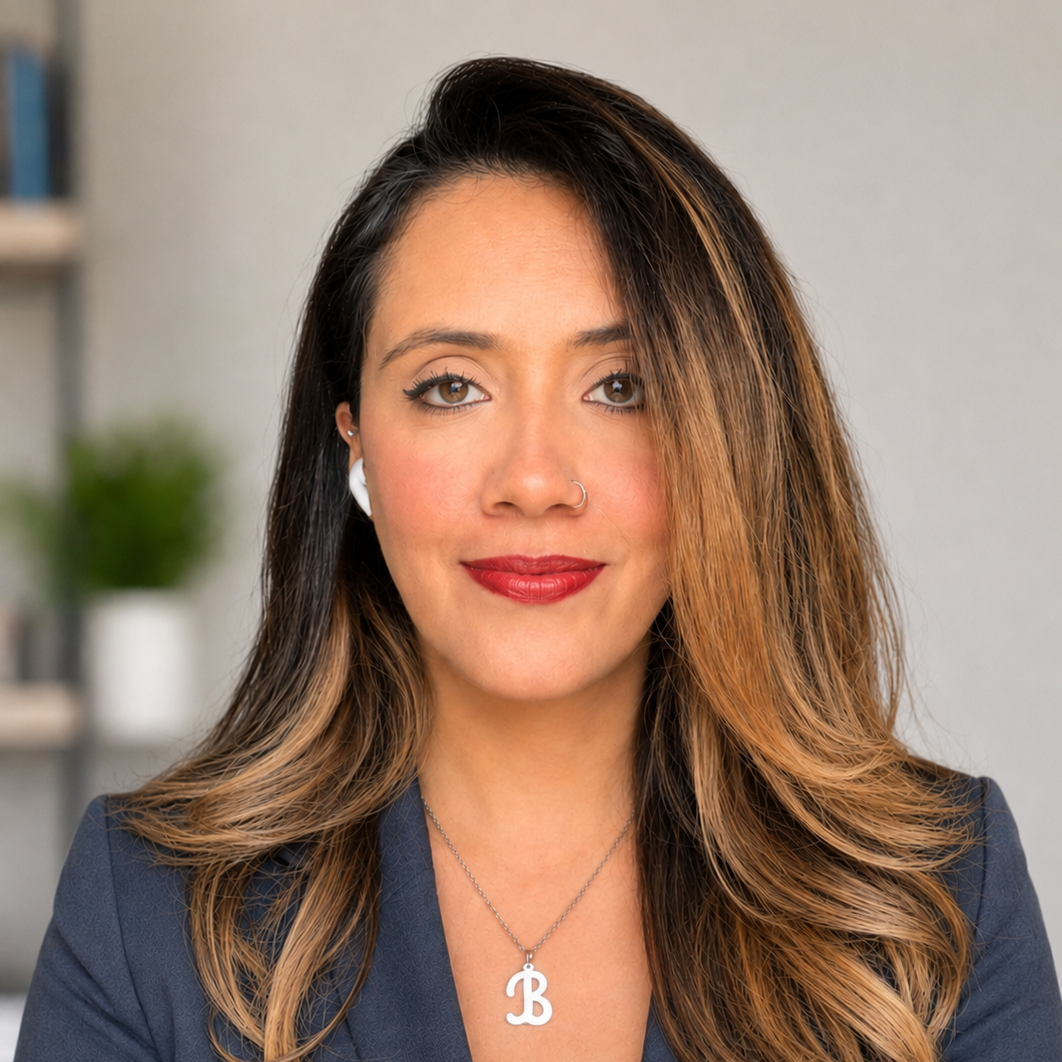
Barbara Fagundes, PhD
Engineering & Computing Education
Computational Thinking | AI Literacy
About
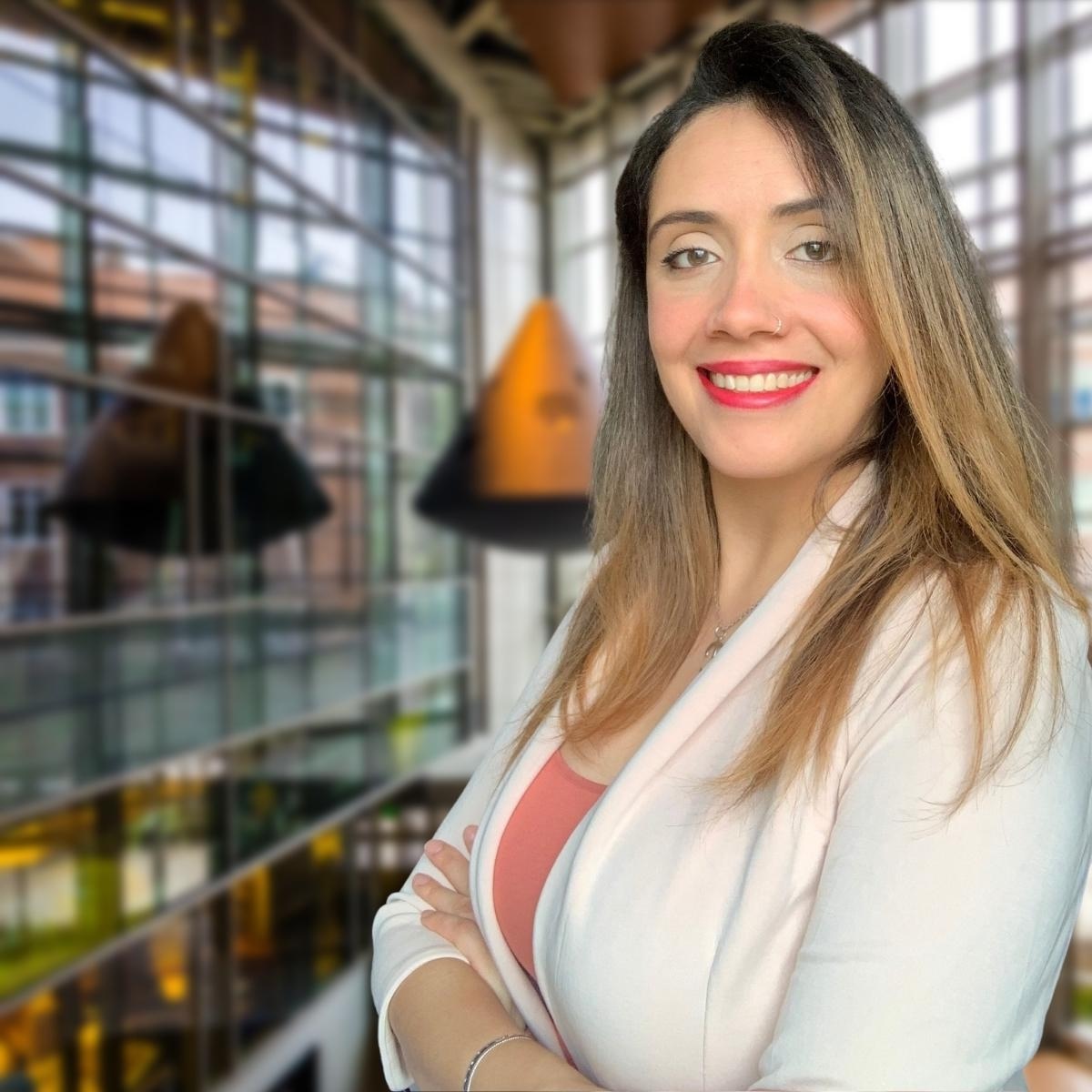
Bárbara Fagundes is a Visiting Assistant Instructional Professor in the Department of Engineering Education at the Herbert Wertheim College of Engineering at the University of Florida. A learning scientist and educational researcher, her work spans computing education, engineering education, and emerging technologies. She began her career as an elementary school teacher in Brazil before earning an M.S. in Computer Science from Jackson State University and a Ph.D. in Engineering Education from Purdue University.
Originally from São Paulo, Brazil, Bárbara navigated graduate education in the United States in a second language and became the first in her family to earn a college degree and a Ph.D. Her non-linear path into academia continues to shape the questions she asks and the educator she has become.
Her doctoral research examined how young children in K-2 classrooms develop foundational computational thinking concepts and included professional development for preservice and in-service teachers. During her postdoctoral appointment at Purdue University's Center for Instructional Excellence from September 2024 through June 2026, her work expanded into undergraduate STEM teaching and learning, student autonomy and motivation, faculty development, undergraduate mentoring, and generative AI in engineering and computer science education.
Bárbara brings an unusual combination to this work. She has the practitioner instincts of a former teacher, the analytical rigor of a researcher, and the technical foundation of a computer scientist. She is most energized when research connects directly to practice, when findings shape how courses are designed, how instructors teach, and how learners grow.
Scope of work
Bárbara's work sits at the intersection of learning science, computing education, and emerging technology. She studies how young children develop computational thinking in K-2 settings, how students engage with engineering design across K-12, and how undergraduates experience autonomy and motivation in STEM courses through the lens of Self-Determination Theory. Her recent work also examined how undergraduate students adopt and ethically use generative AI in computer science and engineering courses, with attention to learning processes, responsible use, and instructional implications. Across these areas, Bárbara translates research findings into practical instructional guidance, curriculum design, and learning experiences designed for diverse learners and educational contexts.
Education
- Ph.D. in Engineering Education.
- M.S. in Computer Science.
- B.A. in Early Childhood Education.
Research and projects
- Generative AI in undergraduate computing and engineering courses. Qualitative research on students' responsible use of AI tools, learning processes, ethical considerations, tool limitations, and instructional implications.
- Student Pedagogy Advocates. Student-faculty partnership work supporting evidence-based teaching, undergraduate mentoring, and research-to-practice initiatives.
- Rethinking Circle Time. NSF-funded research integrating computational thinking into K-2 literacy through programming lessons, classroom video analysis, teacher-facing materials, and survey design.
- Pre-college engineering education research. Classroom-based video data collection, curriculum implementation support, and analysis of engineering design learning in K-12 settings.
Teaching and instructional design
- Teaching Engineering Online. Co-developed graduate course modules, scripts, and instructional slides for online and blended engineering education.
- CISTAR NSF Engineering Research Center. Designed e-learning modules, video-based instructional supports, teacher-facing lessons, and middle school engineering curriculum materials.
- First-Year Engineering Courses. Supported required Purdue engineering courses serving approximately 240 students per semester; mentored student teams, supported Excel and MATLAB work, and gave feedback on technical communication.
- Early childhood and elementary teaching. Designed and delivered interdisciplinary lessons in literacy, mathematics, science, geography, and history in public and private schools in São Paulo, Brazil.